
Harnessing the Power of Methylene Blue + Red Light Therapy: What the Research Really Says
Methylene Blue (MB) isn’t a new molecule, it was first synthesized in the 1800s, but recent research has sparked renewed interest in how this compound may support health when used thoughtfully and safely. With the rise of biohacking and wellness communities exploring MB alongside red light (photodynamic) therapy, many people are asking: What does the science say?
This blog breaks down current evidence, explains the mechanisms, and highlights applications where research is most established.
What Is Methylene Blue?
Methylene Blue is a phenothiazine dye with a long clinical history. In medicine, it’s FDA-approved for treating methemoglobinemia, a rare blood condition. Its unique chemistry, especially its ability to absorb light in the red spectrum makes it attractive as a photosensitizer in photodynamic therapy (PDT).
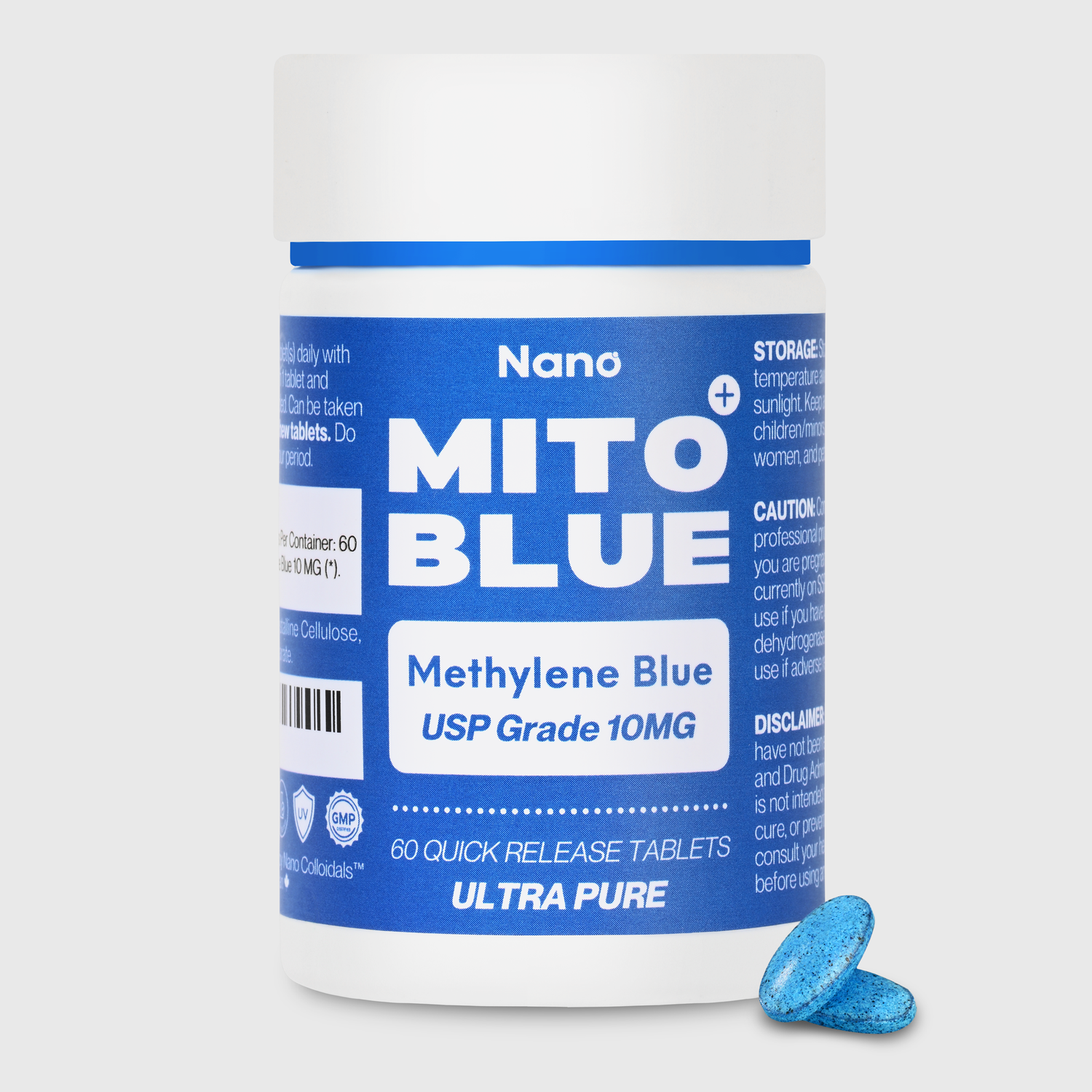
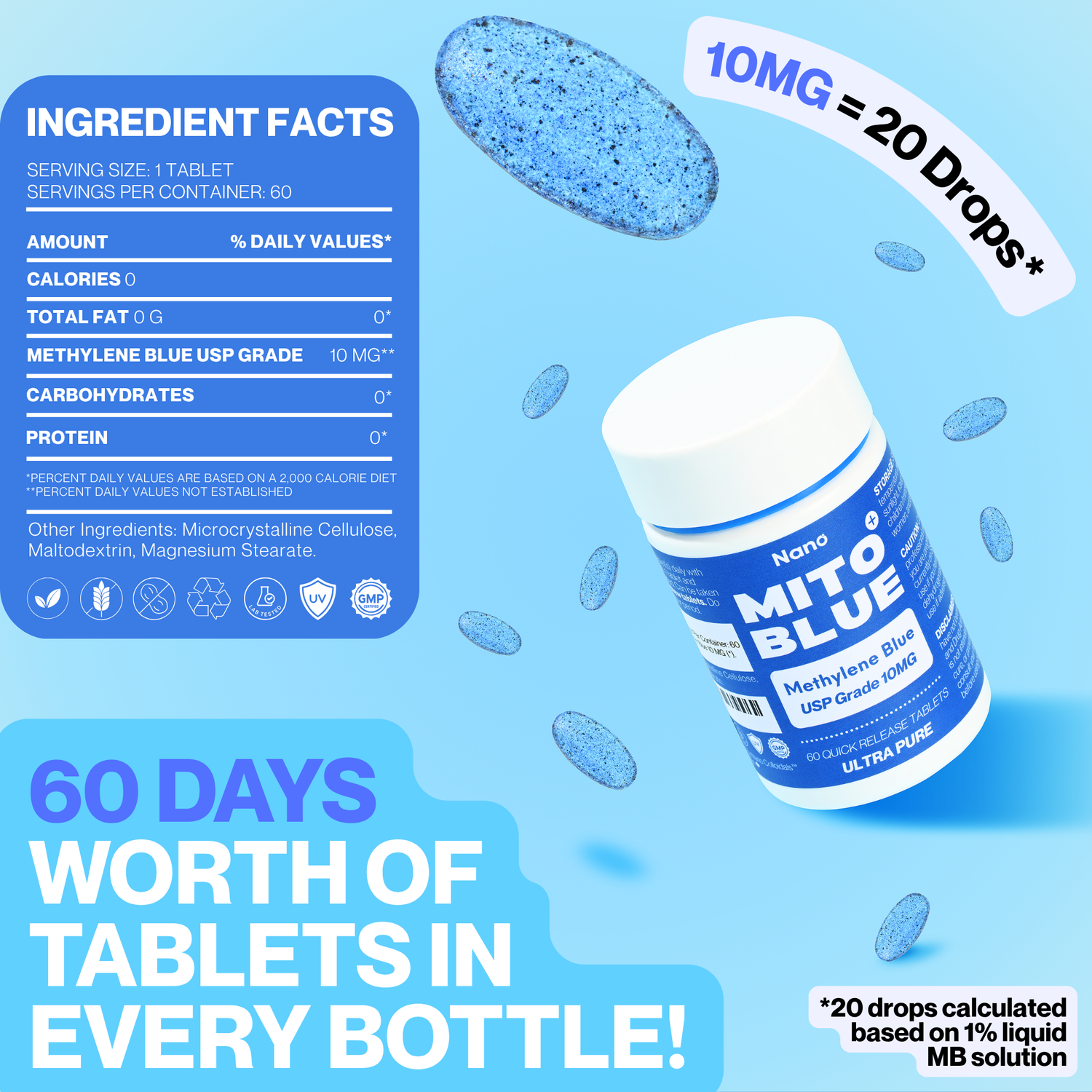
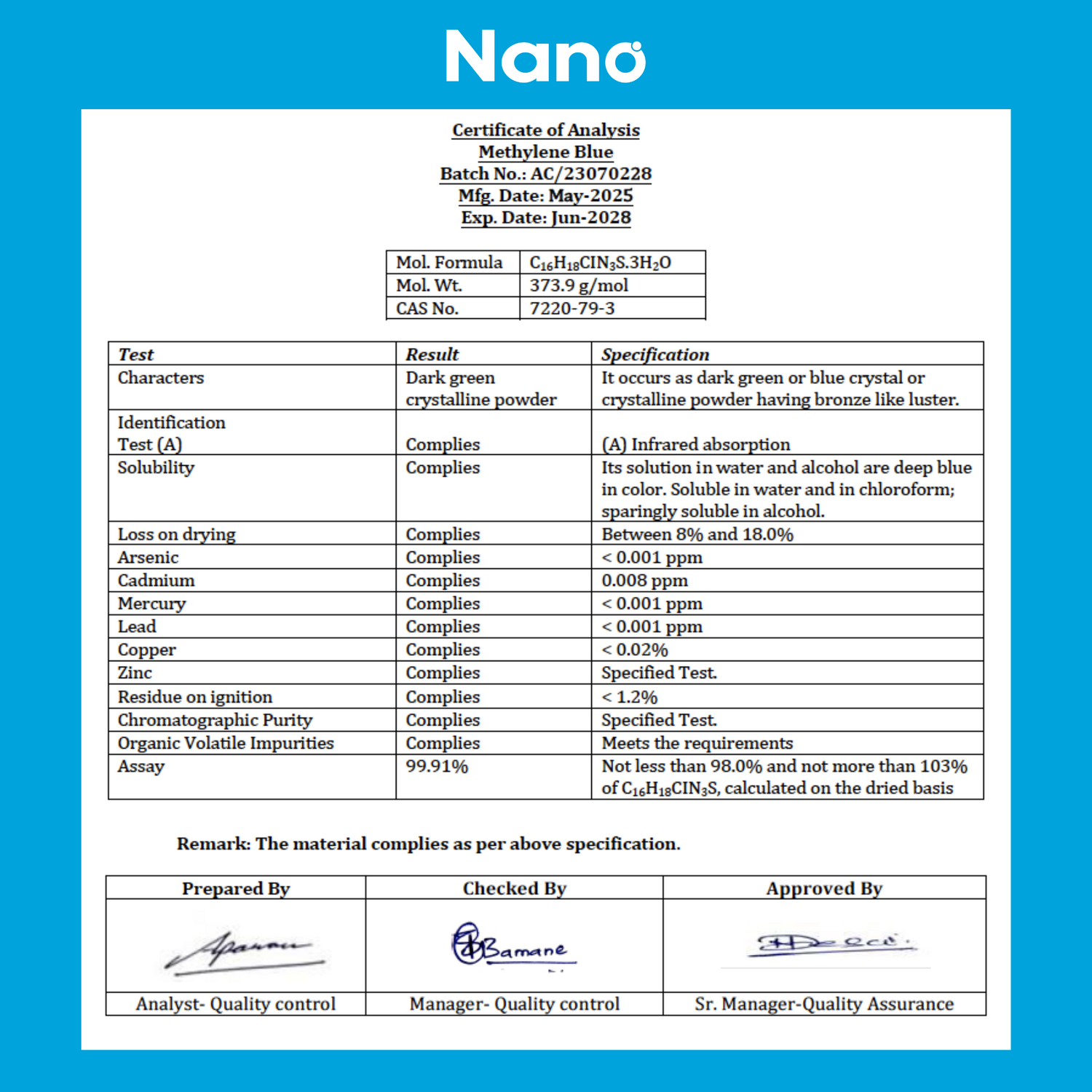
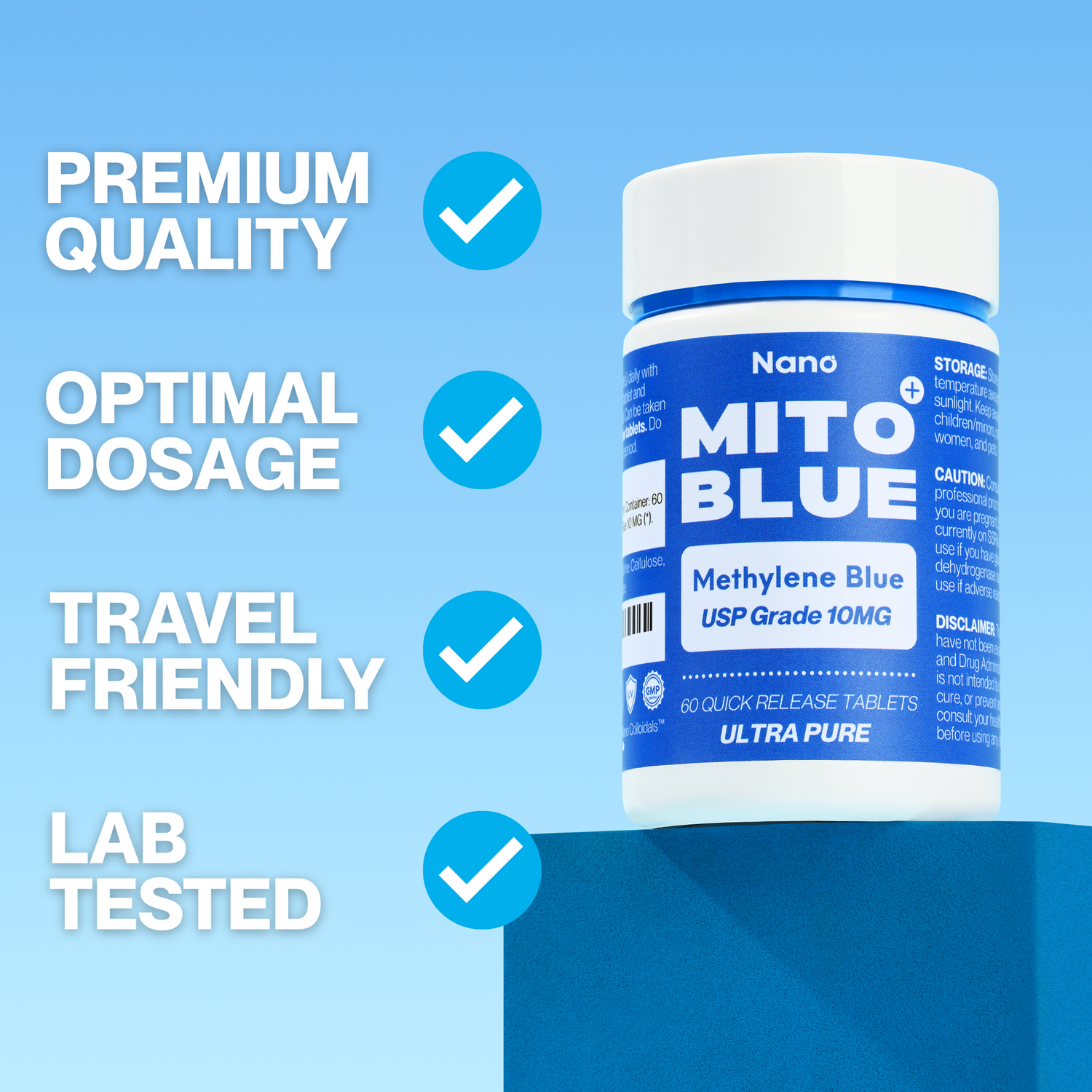
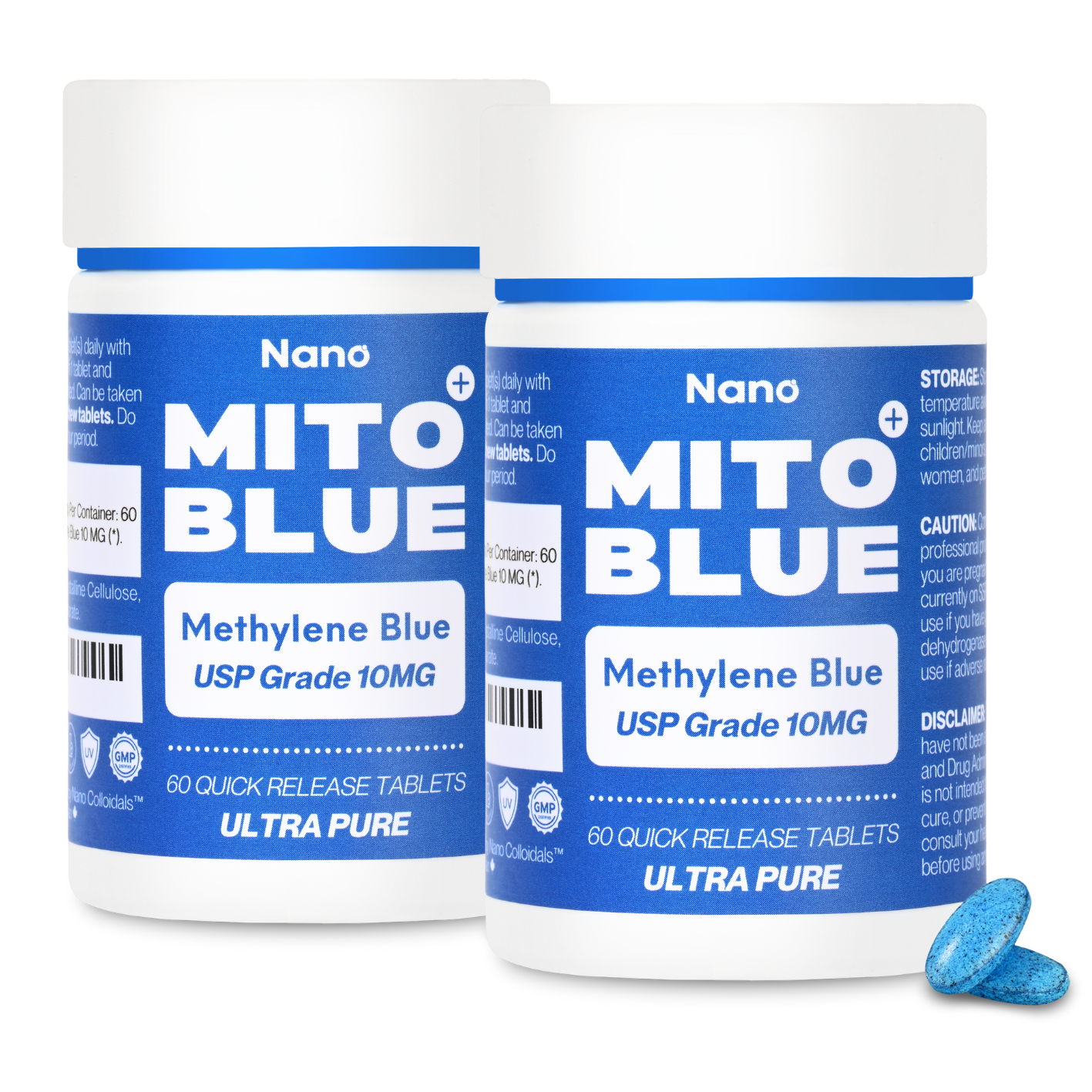
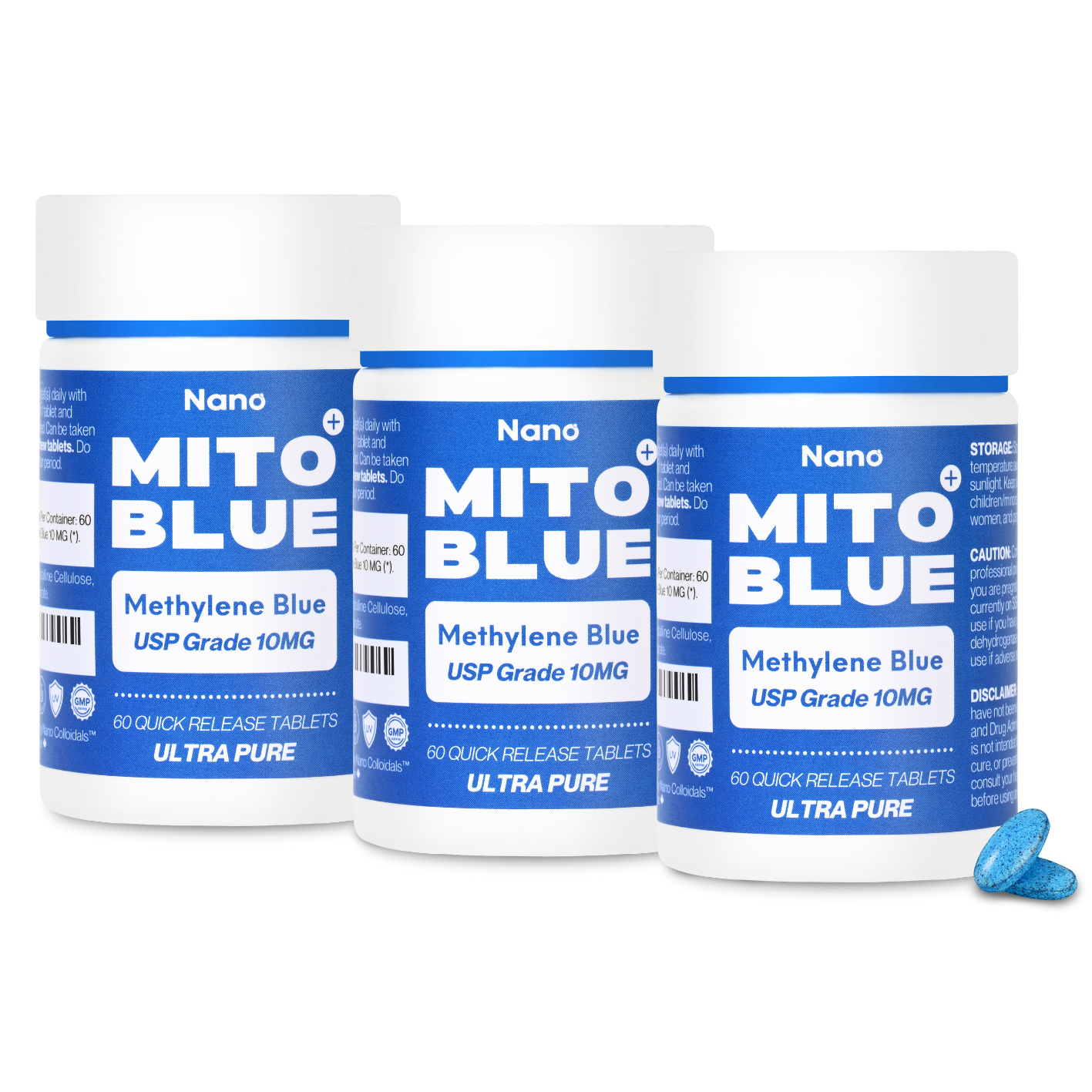
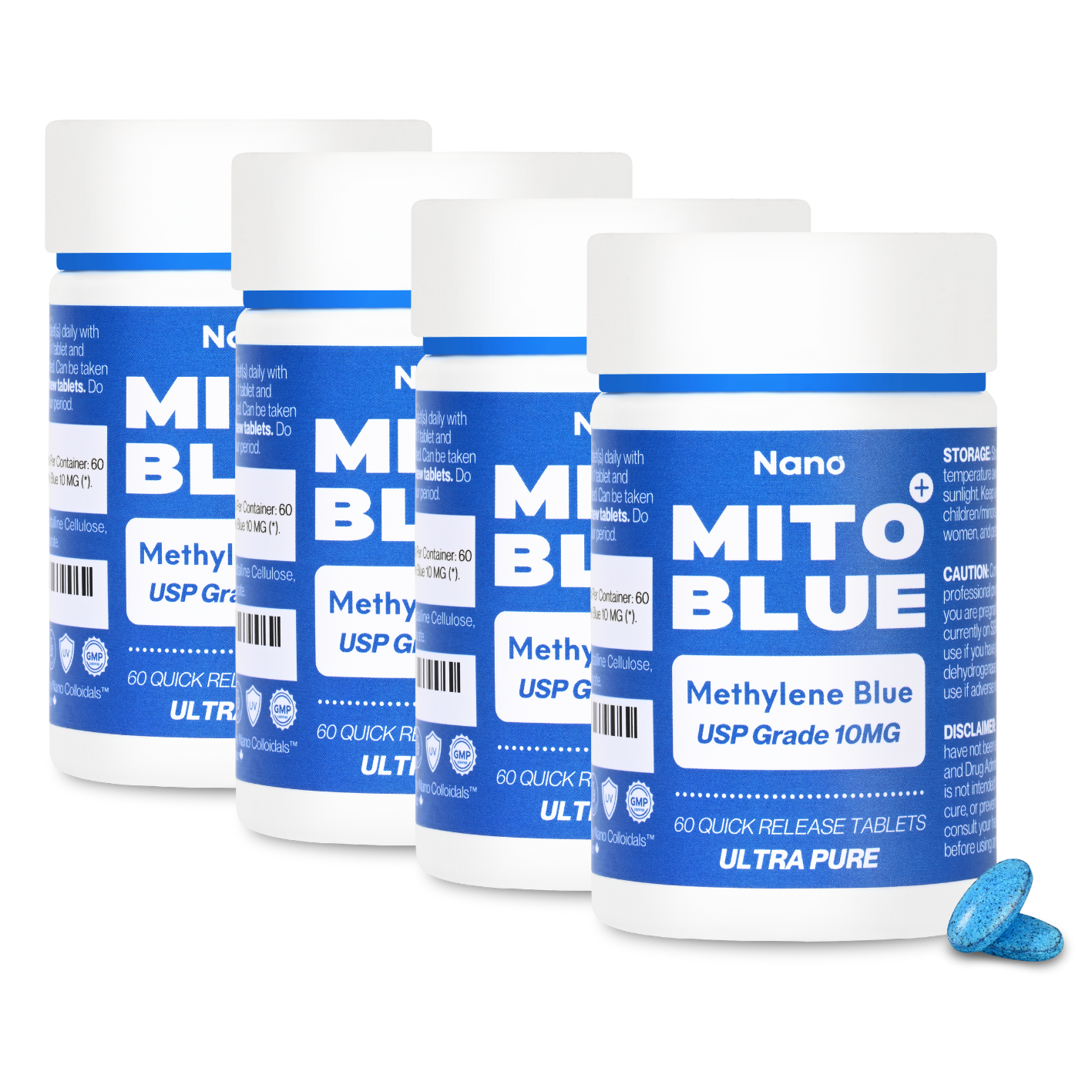
Unlike pure dyes, high-purity pharmaceutical/USP grade formulations such as MITOBLUE Methylene Blue Tablets provide consistent dosing and quality, which matters when interpreting research findings.
How Methylene Blue Works with Red Light
When methylene blue absorbs red light (typically ~630–670 nm), it enters an excited state and can generate reactive oxygen species (ROS). This process underpins photodynamic therapy:
-
Selective activation: MB is relatively inactive in the dark but becomes bioactive under specific light wavelengths.
-
Controlled effects: Red light activates MB only where and when the light is applied.
-
Mechanistic versatility: Depending on dose and context, this can translate into antimicrobial, tissue-modulating, or anticancer effects.
1. Antimicrobial and Oral Health Applications
A well-studied area is antimicrobial photodynamic therapy (aPDT) using MB and red light:
-
A 2025 integrative review finds that MB-mediated aPDT improves periodontal (gum) health when used alongside standard treatments.
-
Animal models show MB-based photodynamic approaches reduce bacteria and fungi in infected wounds.
These results support the concept that red light + MB can enhance antimicrobial action and aid local healing processes.
2. Skin and Wound Healing Support
Emerging evidence suggests MB + red light can contribute to tissue repair:
-
Case reports in chronic wounds (like diabetic foot ulcers) have found reductions in wound size and infection markers when MB-PDT is used.
-
Animal studies with MB-loaded hydrogels and low-level red lasers show accelerated wound closure and immune engagement.
These findings reflect photodynamic modulation of inflammation and local cell activity, which may aid recovery in conditions where tissue regeneration is needed.
3. Cognitive and Mitochondrial Effects
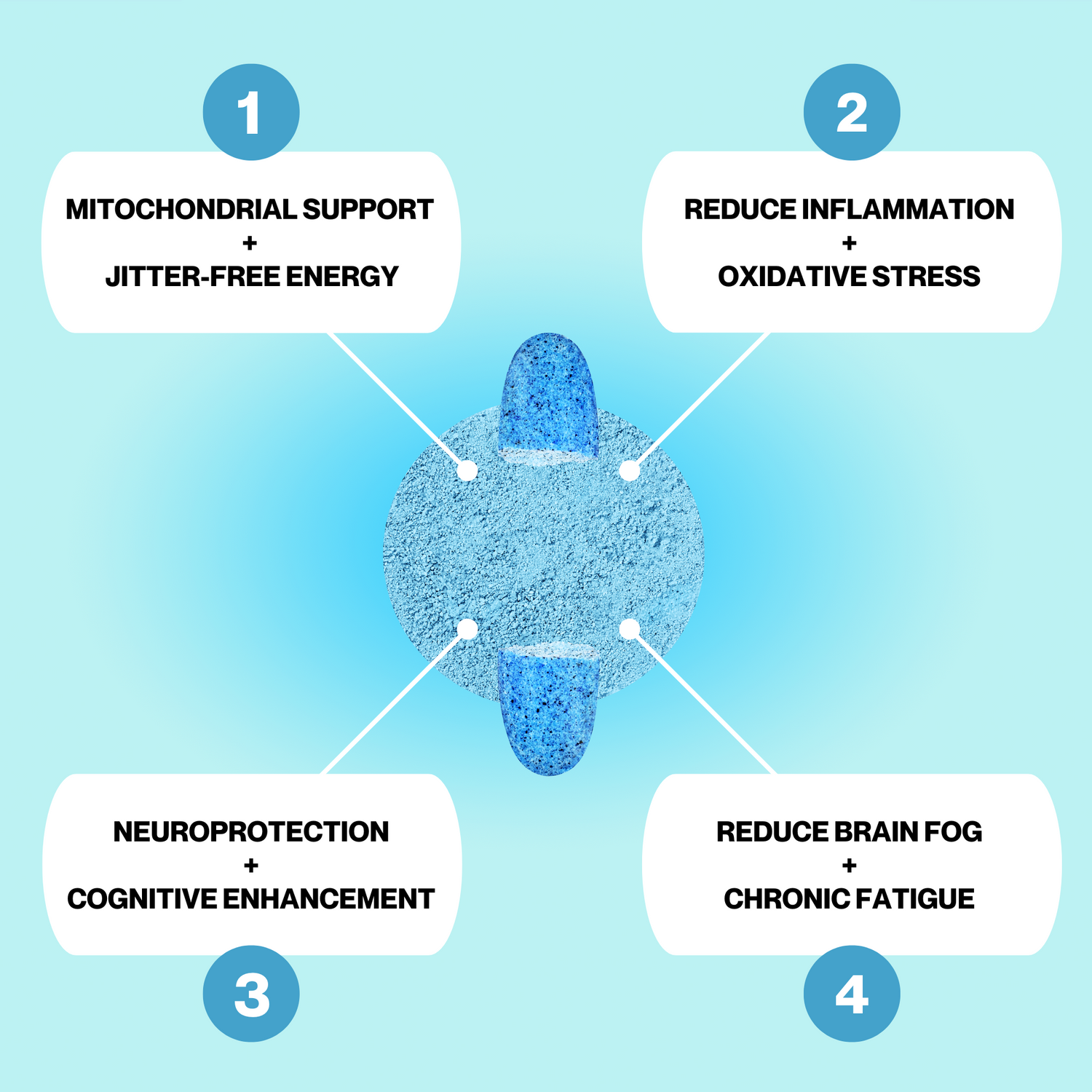
Methylene Blue works at a cellular level by influencing redox reactions, processes that support energy metabolism in mitochondria:
-
Lab studies report that MB can regulate oxidative stress and support neuronal health.
-
Some small clinical investigations (e.g., in mood disorders) have noted improvements using MB at controlled doses, suggesting neurochemical effects independent of light activation.
These effects are not universally proven in healthy individuals and major clinical studies are still underway, but they do provide a mechanistic rationale for why some people explore low-dose MB as a mitochondrial support agent.
Practical Choices for Consumers
If you’re considering products like MITOBLUE Methylene Blue Tablets (10 mg USP grade):
✔️ USP grade ensures purity and accurate dosing, critical for any supplement with bioactivity.
✔️ Small, controlled doses (e.g., 5–15 mg) are commonly explored in research contexts, though individual needs vary.
✔️ Red light devices that deliver consistent wavelengths (~630–670 nm) are what researchers typically use to activate MB in photodynamic settings.
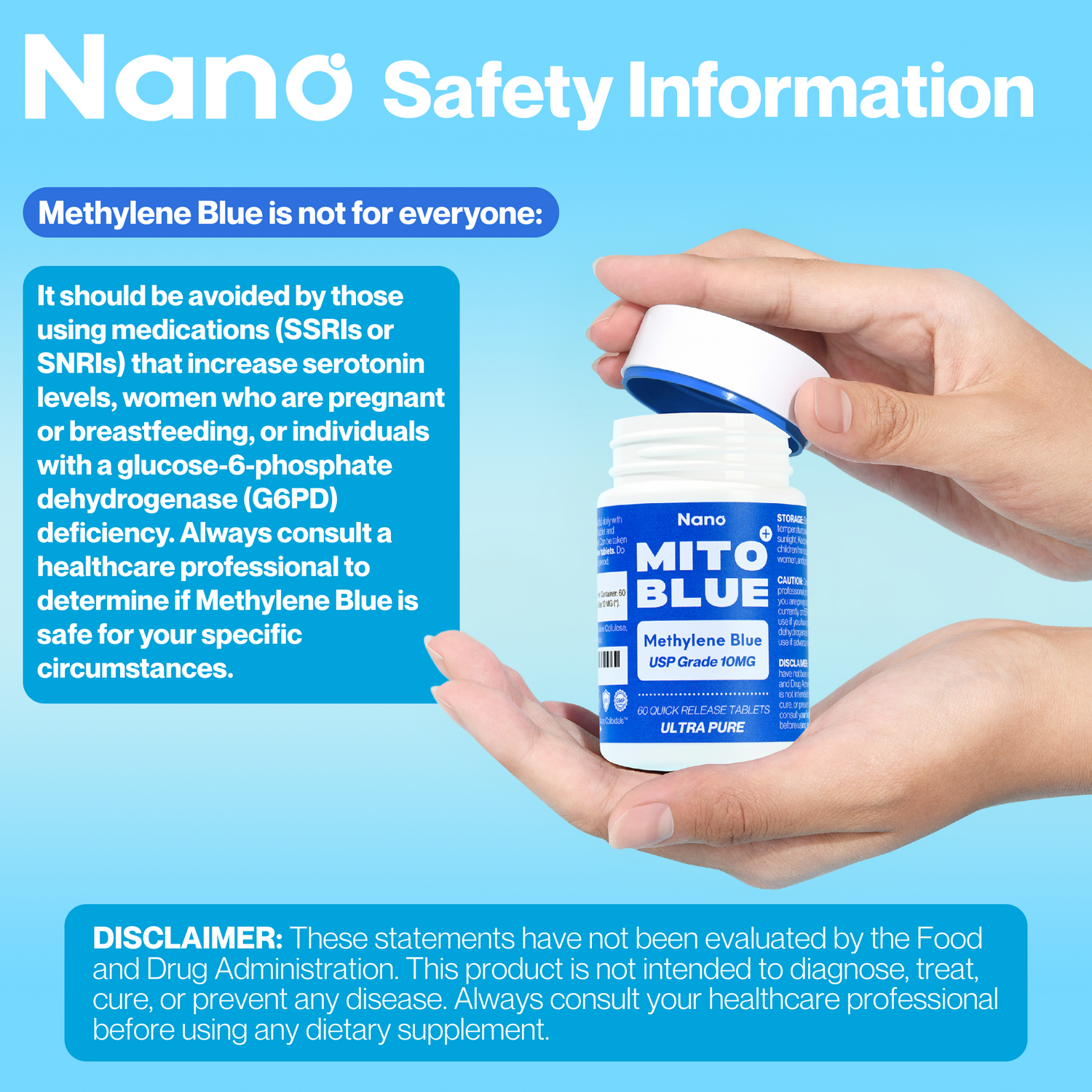
Always speak with a healthcare provider about dosing, timing with light therapy, and potential interactions with medications or health conditions.
References
-
Integrative review of MB antimicrobial photodynamic therapy – Dentistry Journal: https://pubmed.ncbi.nlm.nih.gov/40710134/
-
Photodynamic effects on carcinoma cell lines – Laryngoscope Investigative Otolaryngology: https://pubmed.ncbi.nlm.nih.gov/36000031/
-
Chronic wound healing with MB PDT – PubMed: https://pubmed.ncbi.nlm.nih.gov/35840009/
-
MB photodynamic mechanisms and applications – PubMed: https://pubmed.ncbi.nlm.nih.gov/25048768/
-
MB and brain health mechanisms – Psychology Today summary: https://www.psychologytoday.com/us/blog/the-leading-edge/202409/red-light-therapy-and-methylene-blue-may-promote-brain-health